
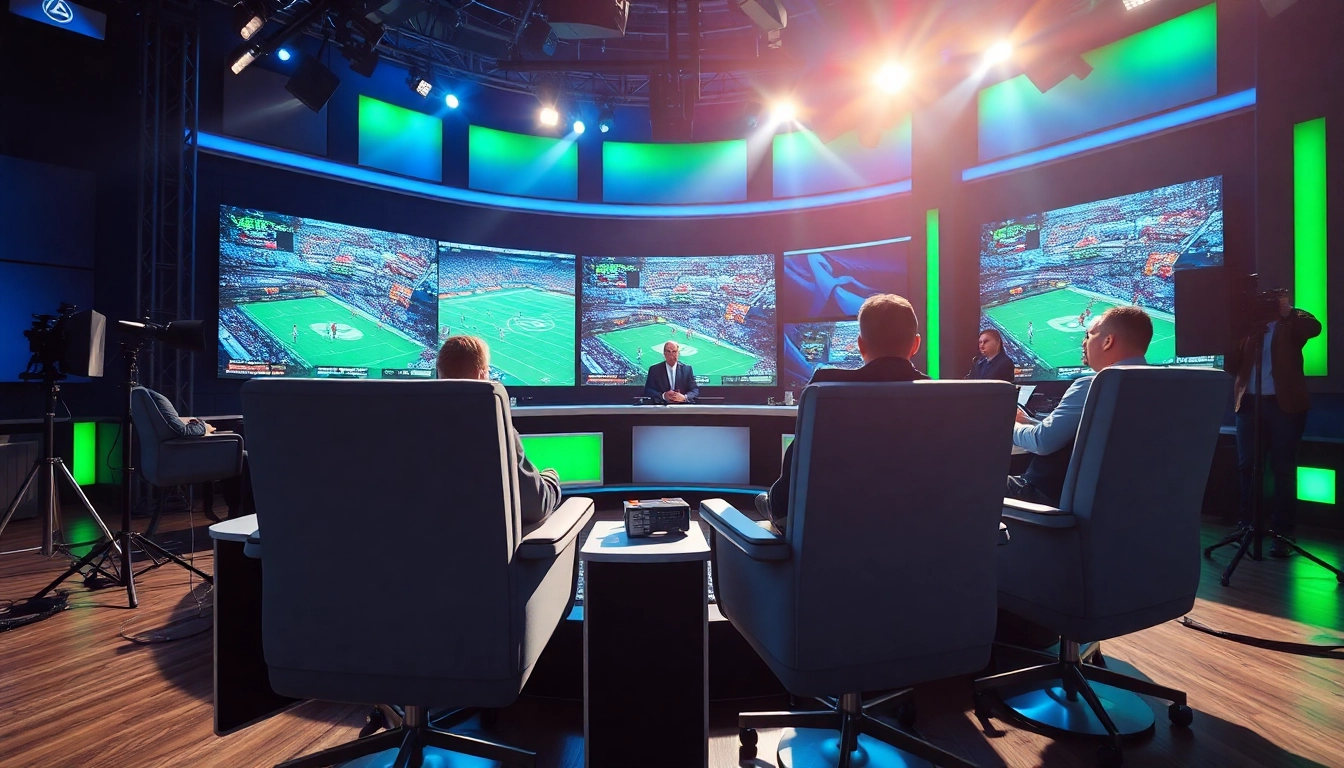
Understanding Sports Broadcasting
Defining Sports Broadcasting
Sports broadcasting refers to the audio and visual transmission of sports events, making them accessible to a wide audience. This is done through various platforms such as television, radio, and online streaming. The aim is not only to deliver live action but also to provide commentary, analysis, and viewer engagement through various interactive features. In today's digital age, Sports Broadcasting has evolved significantly, embracing advances in technology to enhance viewer experience.
The Importance of Sports Broadcasting
Sports broadcasting plays a crucial role in the global sports ecosystem. It facilitates the commercialization of sports, allowing leagues, teams, and athletes to generate revenue through advertisements, sponsorships, and partnerships. Additionally, it helps to build fan communities, fostering a sense of belonging among viewers. Major events like the Super Bowl or the FIFA World Cup reach millions of viewers worldwide, underpinning the influence that broadcasting can have on sports popularity and culture.
Key Components of Sports Broadcasting
A successful sports broadcast depends on several key components, including:
- Content Delivery: Ensuring smooth transmission of video and audio is paramount. This includes reliable internet connections for streaming and appropriate broadcasting equipment.
- Commentary: Skilled commentators enhance the viewing experience by providing insights, statistics, and lively descriptions that keep the audience engaged.
- Graphics and Statistics: Modern broadcasts increasingly rely on on-screen graphics that display real-time statistics and data analyses, helping viewers understand game dynamics better.
- Viewer Interaction: Encouraging audience participation through social media platforms, polls, and interactive storytelling creates a more dynamic broadcast experience.
Essential Technologies in Sports Broadcasting
Broadcasting Equipment Overview
Equipment used in sports broadcasting comprises cameras, microphones, switchers, and other tools essential for capturing and delivering high-quality audio-visual content. Multi-camera setups allow broadcasters to switch between different angles and provide viewers a comprehensive view of the event. High-definition cameras and drones add depth to the coverage, giving audiences a cinematic experience. Additionally, audio equipment is critical for clear commentary and crowd sounds, enhancing the live atmosphere.
Software Tools for Sports Broadcasting
Software plays a pivotal role in sports broadcasting, with numerous tools available for production and distribution. Graphics creation software allows for the integration of real-time data visualizations during the broadcasts. Meanwhile, editing software is crucial for pre-recording segments or post-production edits. Streaming platforms offer the infrastructure necessary to deliver content over the internet securely, ensuring broad accessibility to various audiences.
Emerging Technologies in Sports Broadcasting
The landscape of sports broadcasting is continuously innovating. Emerging technologies such as augmented reality (AR) and virtual reality (VR) are starting to make their mark, allowing fans to experience events in an immersive way. For example, using AR during broadcasts can provide viewers with additional stats overlaying live action, enhancing engagement. As 5G networks expand, the speed and quality of live-streaming will significantly improve, creating an even more compelling viewing experience.
Strategies for Effective Sports Broadcasting
Preparing a Game Plan
A successful sports broadcast begins with thorough preparation. This includes creating a detailed game plan outlining key moments, potential storylines, and critical player statistics. Broadcasters should conduct pre-game research to familiarize themselves with the teams and players, ensuring they are armed with relevant information to discuss during the transmission.
Engaging with Your Audience
Audience engagement is a critical strategy in sports broadcasting. Broadcasters can utilize social media platforms to interact with fans in real time, addressing their comments and incorporating feedback into the broadcast. Interactive elements such as live polls or Q&A segments can also increase viewer participation, making the audience feel more connected to the events unfolding.
Improving Presentation Skills
The effectiveness of sports broadcasting largely relies on the presenters' delivery. Those involved in broadcasting must hone their presentation skills to convey excitement and information clearly. Techniques could include voice modulation to maintain audience interest and body language awareness to project confidence. Regular practice, including mock broadcasts, can greatly enhance a presenter's abilities.
Challenges in Sports Broadcasting
Managing Live Broadcast Challenges
Live sports broadcasts come with inherent challenges, such as unexpected technical difficulties or unforeseen events during a game. Broadcasters must remain calm and adaptable, quickly troubleshooting any issues that arise. Detailed contingency plans should be established to address potential problems, allowing the broadcast to continue smoothly.
Audience Expectations and Engagement
As viewership increases, so do audience expectations. Modern viewers seek engaging content that offers more than simply a replay of events. Broadcasters must continually innovate, providing real-time insights, unique angles, and behind-the-scenes access, along with high-quality production. Understanding demographic preferences and adapting content accordingly is critical to maintaining and growing an engaged fanbase.
Handling Controversies and Issues
Controversies can arise in sports for various reasons, from player misconduct to team disputes. Broadcasters must navigate such issues carefully, balancing the need for transparency with maintaining professionalism. Establishing well-defined editorial guidelines is essential to help broadcasters communicate such matters sensitively, ensuring that they provide accurate and fair coverage.
Future Trends in Sports Broadcasting
The Impact of Streaming Services
The rise of streaming services has revolutionized the landscape of sports broadcasting, allowing viewers to customize their viewing experiences. Traditional cable subscriptions are on the decline, prompting broadcasters to adapt their offerings to cater to this new audience. Streamers provide exclusive content, which helps them secure lucrative broadcasting rights for major sporting events, ultimately shaping how fans consume sports.
Using Data Analytics in Sports Broadcasting
Data analytics is becoming increasingly important in sports broadcasting. Broadcasters use advanced analytics to dissect gameplay in real-time, providing viewers with richer insights. From player statistics to strategic analyses, data-driven storytelling enhances the depth of broadcasts, engaging viewers who crave comprehensive knowledge of the events they are watching.
Potential Developments in Viewer Interaction
As technology advances, the potential for viewer interaction within sports broadcasting grows. Future broadcasts may incorporate functions that allow viewers to choose camera angles, view real-time stats, or even interact directly with commentators through live chats. The degree of engagement will transform the spectator experience, making it increasingly personalized.
FAQs About Sports Broadcasting
What is sports broadcasting?
Sports broadcasting encompasses the audio and visual transmission of sports events via various platforms, including television, radio, and online streaming.
Why is sports broadcasting important?
It generates revenue, builds fan communities, and promotes sports, making them accessible to wider audiences.
What technologies are essential for sports broadcasting?
Critical technologies include broadcasting equipment, software tools for production, and new technologies like AR and VR to enhance viewer experience.
How do audience engagement strategies work in sports broadcasting?
These strategies involve utilizing social media, live polls, and interactive segments that involve viewers and enhance their overall experience.
What challenges do broadcasters face during live events?
Common challenges include technical difficulties, managing audience expectations, and addressing controversies sensitively while maintaining professionalism.