Understanding Shower Sliding Doors
What Are Shower Sliding Doors?
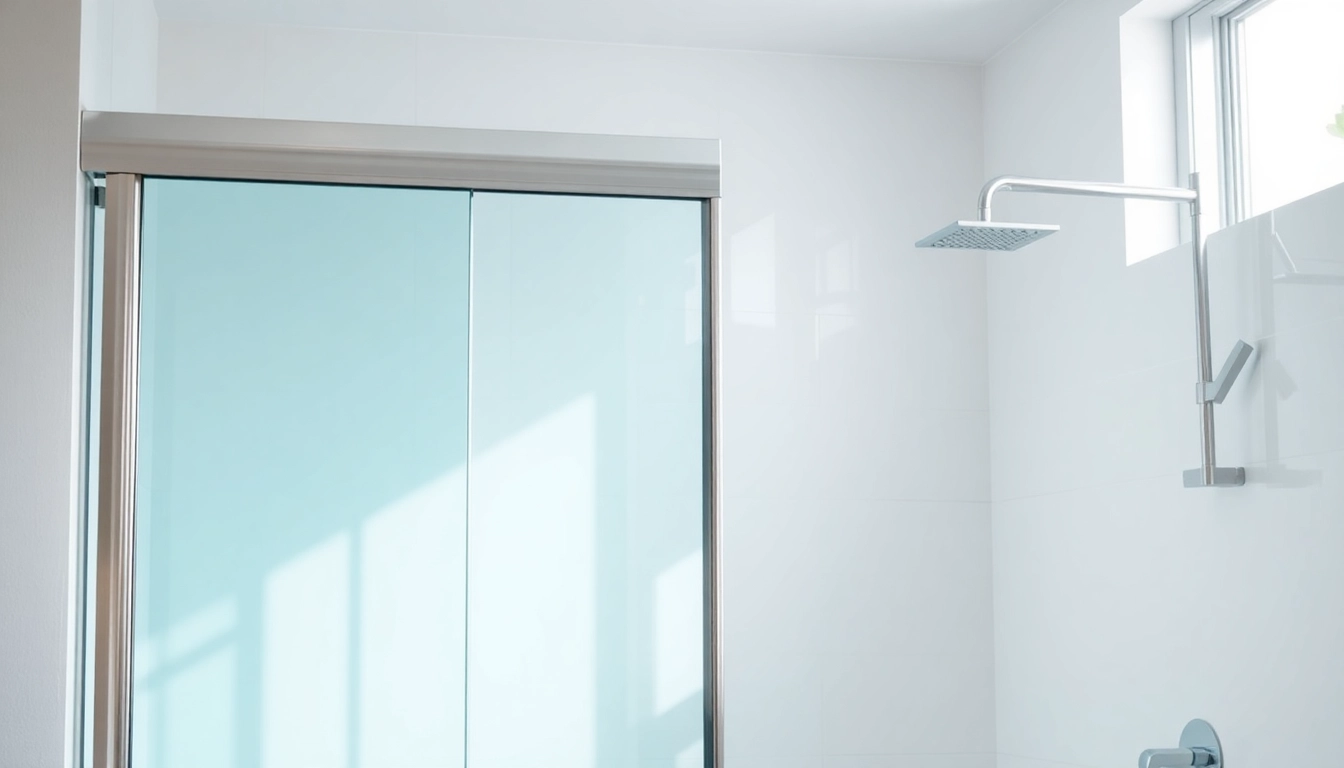
Shower sliding doors are a popular choice for modern bathrooms, offering a space-saving solution that complements various decor styles. Unlike traditional hinged doors, which need ample space to swing open, shower sliding doors glide smoothly along tracks, allowing for easy access to the shower while maximizing available space. They typically consist of two or more panels, with at least one panel sliding over the other, providing a sleek and seamless look that enhances the overall aesthetic of the bathroom.
Benefits of Shower Sliding Doors
Shower sliding doors come with numerous benefits that make them a preferred option for many homeowners. One of the primary advantages is their space efficiency, especially beneficial in smaller bathrooms where every inch counts. In addition to space-saving, they offer a contemporary look that can instantly upgrade the visual appeal of your shower area. These doors also feature easy cleaning surfaces, allowing you to maintain a hygienic environment with minimal effort. Another significant benefit is that sliding doors can create a barrier against water leakage, thus preventing water from spilling onto the bathroom floor.
Common Materials Used
Shower sliding doors are available in various materials, each offering unique benefits and characteristics. The most common materials include:
- Tempered Glass: Known for its durability and safety, tempered glass is the most popular choice for shower doors due to its ability to withstand high temperatures and its resistance to shattering.
- Frameless Glass: For a minimalist aesthetic, frameless glass sliding doors provide a sleek and unobtrusive appearance, often allowing more light to filter through.
- Plastic (Acrylic or Polycarbonate): Lightweight and less expensive, plastic options can be ideal for budget-conscious renovations but may scratch more easily than glass.
- Aluminum Frames: Aluminum is often used in the tracks and frames of sliding doors, providing stability and support while offering a modern look.
Choosing the Right Shower Sliding Doors
Factors to Consider When Selecting
When selecting shower sliding doors, several crucial factors should be considered to ensure a perfect fit for your bathroom's design and functionality:
- Space Availability: Measure the area where you plan to install the doors. Ensure that there is enough room for the doors to slide open without obstruction.
- Style Preferences: Consider the overall aesthetic of your bathroom. Choose a design that complements your decor, whether contemporary or traditional.
- Transparency Levels: Decide whether you prefer clear glass to enhance the spaciousness or frosted glass for added privacy.
- Budget: Determine your budget beforehand, as prices can vary significantly based on material and design complexity.
Design Styles and Options
Shower sliding doors come in various design styles that cater to diverse tastes and bathroom themes. Some popular options include:
- Classic Sliding Doors: Simple and functional, these doors typically feature framed designs and are suitable for most bathroom styles.
- Frameless Designs: Offering a modern and sleek appearance, frameless sliding doors emphasize minimalism and light.
- Grid Patterns: Featuring decorative grids in the glass, these add a touch of classic elegance and can work well in traditional bathrooms.
- Curved Sliding Doors: Perfect for corner showers, these doors curve on the track, providing an attractive seamless entry.
Measuring Space for Perfect Fit
Accurate measurements are essential for selecting and installing shower sliding doors. Follow these steps for precise measurements:
- Width: Measure the width of the shower opening at the top, middle, and bottom. Use the narrowest measurement for your sliding doors.
- Height: Measure from the top of the curb to the underside of the showerhead or ceiling, depending on your opening type.
- Depth: Consider any obstacles like faucets or shelving within the shower area.
Installation Process for Shower Sliding Doors
Tools Required for Installation
Before beginning the installation, ensure you have the following tools:
- Drill and drill bits
- Level
- Screwdriver
- Measuring tape
- Silicone sealant
- Stud finder
Step-by-Step Installation Guide
Follow these steps to install your shower sliding doors:
- Prepare the Area: Clean the surface where the doors will be installed, ensuring that it’s free of debris and moisture.
- Install the Track: Using the leveling tool, mark the position for the track on both sides. Drill pre-holes and securely attach the track with screws.
- Hang the Doors: Carefully lift the first sliding door panel and place it on the track. Repeat for any additional panels, making sure they slide easily.
- Install the Roller Mechanism: Attach roller mechanisms according to the manufacturer's instructions, ensuring smooth operation.
- Seal the Edges: Apply silicone sealant around the edges to prevent water leakage. Let dry completely before use.
Common Installation Mistakes to Avoid
To ensure successful installation of shower sliding doors, be mindful of the following common mistakes:
- Incorrect Measurements: Always double-check your measurements to avoid fitting issues.
- Poor Leveling: Ensure that the track is perfectly level; slanted tracks can lead to door malfunction.
- Neglecting Sealant: Failing to apply silicone properly can result in leaks. Ensure thorough sealing of all edges.
- Over-tightening Screws: Be cautious not to over-tighten, which can crack the glass or distort the frame.
Maintaining Your Shower Sliding Doors
Cleaning and Care Techniques
Regular maintenance is crucial to keep shower sliding doors looking their best. Implement the following cleaning techniques:
- Glass Cleaners: Use a non-abrasive glass cleaner to remove soap scum and water stains. A mixture of vinegar and water works well.
- Microfiber Cloths: Employ microfiber cloths for gentle cleaning without scratching the surface.
- Track Maintenance: Regularly clean the tracks of dirt and debris to ensure smooth sliding action.
Preventing Damage and Wear
To extend the lifespan of your shower sliding doors, consider the following preventive measures:
- Routine Inspections: Regularly check for signs of wear and tear, such as scratches or tarnishe, and address issues promptly.
- Gentle Use: Avoid slamming the doors when opening or closing, as this can weaken the frame and rollers over time.
- Avoiding Harsh Chemicals: Stay away from abrasive cleaners that can scratch glass or damage seals.
When to Consider Professional Help
While many homeowners opt for DIY installations, there are times when calling in a professional might be necessary, such as:
- When dealing with complex layouts or custom designs.
- If you encounter issues during installation that you're unable to resolve.
- When needing expertise in handling heavy glass panels for safety purposes.
Trends in Shower Sliding Doors
Current Design Trends
The world of bathroom design is always evolving, and shower sliding doors are no exception. Currently, the most popular trends include:
- Black Framed Doors: Offering a bold contrast, black frames add a contemporary edge to bathroom designs.
- Textured Glass: Incorporating patterns or frosted options provides privacy while maintaining a stylish appearance.
- Integrated Storage Spaces: Some modern designs feature built-in shelving within the slide area, enhancing functionality.
Innovative Features to Look For
When selecting new shower sliding doors, consider innovative features such as:
- Self-cleaning Technology: Some modern glass treatments resist stains and help reduce maintenance time.
- Magnetic Seals: These offer better closure and prevent water leakage, enhancing bathroom hygiene.
- Soft-close Mechanisms: A feature that prevents doors from slamming, offering a smoother and quieter operation.
Future of Shower Door Technology
Looking ahead, the future of shower sliding doors seems promising with advancements in technology, such as:
- Smart Glass: Innovations in responsive glass will allow for privacy on demand and enhanced energy efficiency.
- Customizable Designs: With 3D printing, custom designs tailored to individual tastes and needs will become more accessible.
- Enhanced Safety Features: Continued improvements in shatterproof glass technology will further enhance home safety.
FAQs About Shower Sliding Doors
Are shower sliding doors difficult to install?
Installation can range from moderately easy to challenging depending on the design. Ensure you measure accurately and follow the manufacturer’s instructions for best results.
How do I maintain shower sliding doors?
Regularly clean the glass and tracks using non-abrasive cleaners. Inspect seals and hinges for wear to prevent leaks or performance issues.
Can I install shower sliding doors myself?
Yes, many homeowners choose DIY installations, provided they are comfortable with basic tools and measurements. However, professional help is recommended for complex situations.
What materials are best for shower sliding doors?
Tempered glass is often favored for its durability and safety. Choose your material based on your style preference, budget, and required privacy level.
How much do shower sliding doors typically cost?
Costs can vary widely based on size, material, and design complexity, typically ranging from a few hundred to several thousand dollars.